
Cash or card in Budapest: what’s the best way to pay?
Product · 19 November 2025Clément Bolmont
As a UK traveller, the question of cash or card in Budapest is an important one to answer when you’re preparing for your trip. While Hungary is a modern European country, its unique currency and payment habits mean you need to prepare properly to avoid unnecessary fees.
Card payments are often accepted and are usually the cheapest and safest way to pay. But you should carry some local cash for convenience and small purchases.
This guide breaks down the financial landscape of Budapest, helping you understand the local forint (HUF), navigate card acceptance, avoid charges like dynamic currency conversion, and determine the best way to pay in Budapest.
Curious how you can spend easily and access clear exchange rates in Hungary? Explore our guide and get a travel money card for your trip.
18+, T&Cs apply.
Exchange fees, fair usage limits, and weekend fees may apply.
How cash-centric is Budapest?
Budapest is a lively European capital and a popular tourist destination. However, it’s different from the UK in how it uses cash.
The official currency is the Hungarian forint (HUF), and while the government has been preparing for euro adoption for some time, the Forint is still the national currency.
The shift to digital: is cash still king?
Since 2021, all businesses in Hungary that are VAT-registered must use electronic payment options. This means that nearly every major establishment you visit — from restaurants and hotels to large retail chains — is able to accept card payments.
This is excellent news for tourists. You can comfortably use your card for the majority of your daily spending. However, the law doesn’t cover every scenario, and social habits, particularly among small business owners, mean cash remains part of daily life.
You’ll find that payment culture in Budapest depends on where you go:
- Card-first: large shopping centres, supermarkets, major tourist attractions, modern bars, and well-known restaurants prefer cards for efficiency
- Cash-preferred: independent vendors, small food kiosks, local market stalls, and some service providers (like certain independent taxi drivers or barbers) often prefer cash, especially for low-value transactions.
The widespread acceptance of cards means you won't be stranded without cash, but you'll experience moments when having a few forint banknotes makes things much smoother.
Cash etiquette in Budapest: tipping and small purchases
Understanding local expectations around tipping and small transactions will inform how much cash you need.
Tipping in Hungary
In Hungary, a service charge (often between 10–15%) may already be included in the bill, especially at restaurants popular with tourists. Always check your receipt for the word szervízdíj (service charge).
- If a service charge is included: you don’t need to leave an extra tip
- If no service charge is included: a tip of 10% is customary for good service
While card terminals allow you to add a tip to a card payment, it's often easier and more polite to leave a cash tip on the table after paying the main bill by card.
Small purchases
Local, non-chain coffee shops, bakeries, or street food vendors (selling items like lángos or kürtőkalács) may appreciate — or even sometimes insist on — cash for purchases under 1,000 Ft (around £2.20). While they technically have to accept cards, carrying small notes (500 Ft and 1,000 Ft) will help you avoid potential awkwardness or delays.

Card compatibility: will my UK card work?
You might be wondering if your usual bank card will work normally abroad. The good news is Budapest's payment system is very advanced and accepts most foreign cards.
Understanding the major payment networks (Visa and Mastercard)
Most card terminals and ATMs in Hungary support Visa and Mastercard. If your UK debit or credit card carries one of these logos, you can use it with confidence across the city. These networks are the global standard and rarely have issues. Here’s what to use and when:
- Debit cards: ideal for spending your own money and, crucially, for withdrawing cash from ATMs.
- Credit cards: useful for large purchases, booking accommodation, or as a backup. Be aware that using a credit card for cash withdrawals may lead to higher fees and immediate interest charges from your home bank.
What about Amex and other cards?
Visa and Mastercard are commonly accepted, but other networks aren’t as popular. Let’s break it down:
- Is American Express (Amex) accepted in Budapest? Amex is only accepted in major international hotels, high-end shops, and global chain stores. Avoid relying on your Amex for daily spending.
- Other networks: networks like Discover or Diners Club aren’t accepted in many places and you shouldn’t expect to be able to use them in Budapest.
For a smooth experience, make sure you have at least one Visa or Mastercard debit card with you on your trip. Ideally, you should use a travel-focused card like ours, which will keep you aware of exchange rates.
Reasons to use your card in Budapest
When you’re thinking about whether to use cash or card in Budapest, the digital option has important advantages that physical cash can't match.
Security and speed
Using a card is generally safer than carrying a wallet full of cash. If your Revolut card is lost or stolen, you can instantly freeze it in-app to protect your money. Losing cash, by contrast, is a permanent loss.
Using a card is also more convenient. Tapping your card or phone for a contactless payment takes seconds, saving you the time and energy required to count out HUF banknotes and check the change you receive.
Competitive exchange rates and clear spending
Traditional bank cards from the UK can charge a non-sterling transaction fee, which can range from 1–3% on every purchase. They may also use less favourable exchange rates, slowly eating at your budget.
A dedicated travel card like ours gets you a competitive exchange rate every time you pay. Because we show you the conversion in-app in real-time, you know exactly how much you’re spending in GBP. This helps you track your budget accurately and avoid nasty surprises on your statement when you get home.
Are contactless card payments common in Budapest?
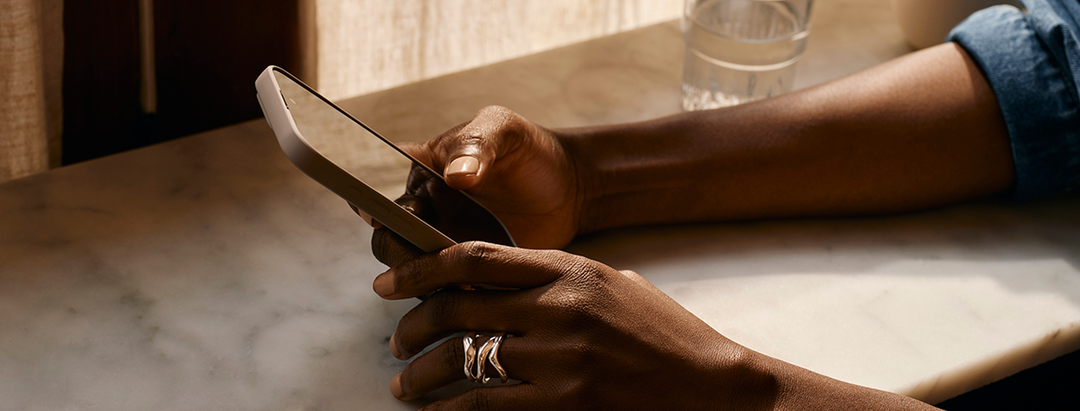
Yes, contactless payments are common and encouraged across Budapest. This includes physical contactless cards and mobile payment solutions.
Reasons to use cash in Budapest
While card is king for most transactions, you'll need to carry some Hungarian forint cash with you. As we said before, you should get it from an ATM instead of an airport exchange office.
The main reasons for needing cash are:
- Local markets and small vendors: stalls in the Great Market Hall or small, family-run shops in less touristy areas often only accept cash
- Public services: automated public toilets, some parking meters, and local bus ticket machines might require coins
How many Hungarian forints do I need a day in Budapest?
The amount of cash you need depends on your spending habits, and you should budget based on where you plan to eat and what activities you have planned.
We suggest having about HUF10,000–20,000 (about £22–44) in cash for small transactions and emergencies. You can easily withdraw more if you need to using a travel card at an ATM.
To give you an idea of typical costs:
Item | Estimated price in HUF |
Single public transport ticket | 450 |
Inexpensive quick-service meal (e.g. gyros or a kebab) | 3,000–4,000 |
Pint of local beer | 800–1,200 |
Coffee (cappuccino) | 800–1,000 |
Entrance to a major bathhouse (daily pass) | 9,000–12,000 |
Taxi starting tariff | 1,100 |
A budget of around HUF50,000–70,000 (£110–150) per day for food, drink, and entertainment (not including accommodation) will let you spend comfortably without worrying.
Do shops in Budapest ever accept euros or pounds?
Although the official currency is HUF, some businesses popular with tourists may accept euros.
However, we strongly advise against using euros or pounds for payments.
While you might feel the convenience is worth it, when someone accepts a foreign currency, they need to do an on-the-spot conversion. They do this using their own rate, which acts as a hidden surcharge. You'll almost certainly lose money compared to if you let your Revolut card handle the currency exchange. You'll also typically get your change in HUF, often at an equally poor exchange rate. Always insist on paying in Hungarian forint.
Using your card in Budapest at an ATM
Withdrawing cash is necessary, but it's the point where UK travellers are most likely to be hit by high, unexpected fees.
Our major warning: dynamic currency conversion (DCC)
The biggest financial trap you face in Budapest is DCC. It exists as an option at nearly all ATMs and many card terminals. Here’s how to handle it:
- The DCC Prompt: an ATM screen will offer to process your withdrawal in pounds (GBP) instead of the local currency (HUF), claiming it's a helpful service since it shows you the exact amount leaving your account.
- The result: if you choose GBP, the ATM operator applies their own poor exchange rate, which is heavily marked up.
- The golden rule: when an ATM asks if you want to be charged in HUF or GBP, always choose HUF (the local currency). If the screen asks if you accept their conversion rate, decline it. If you choose the local currency, your card provider, not the operator, does the conversion using its own rate. Its rate is more competitive, so doing this saves you money.
Which ATM is best for foreigners to use in Budapest?
To minimise both flat fees and poor DCC rates, stick to bank-affiliated ATMs.
- Recommended bank ATMs: look for machines belonging to major Hungarian banks such as OTP Bank, K&H Bank, or CIB Bank. They generally offer better withdrawal policies and more reasonable fees than independent operators.
- ATMs to avoid: avoid independent, non-bank ATMs, most famously the bright blue and yellow Euronet machines. These machines are known for high flat fees and aggressively pushing the expensive DCC option. They’re often found in busy tourist areas, airports, and train stations — these are the places you should be most cautious about getting ripped off.
- Use Revolut: use our app to locate ATMs nearby. You can also filter to find ATMs within our 55,000 global network to avoid third-party surcharges.
How much are ATM fees in Budapest?
The fees you pay at an ATM in Budapest come from 2 places:
- The ATM operator fee: this is a flat fee charged by the bank or company that owns the machine (e.g. Euronet might charge HUF920 or more). You need to check the screen for this fee before completing the transaction.
- Your card provider's fee: this is a fee charged by your UK provider for using a foreign ATM or for currency conversion.
With us, you get a monthly allowance of fee-free ATM withdrawals (the amount depends on your plan). This removes the provider's fee entirely for a large amount of cash. Even when using a Revolut card, you should still select a major bank ATM to avoid the local operator's flat fee.
No fees within plan limits. T&Cs apply. Third party may charge ATM fees.

Other payment methods for UK travellers
In addition to cash and cards, UK customers have access to modern payment tools that simplify spending in Budapest.
Mobile payments: Apple Pay and Google Pay
Using your phone to pay with Apple Pay or Google Pay, which are linked to your debit card, is probably the fastest and easiest way to pay. It adds an extra layer of security, since most mobile payment systems need biometric authentication (face or fingerprint ID) for a transaction to work.
You'll find almost all card terminals in Budapest support contactless payments, letting you simply tap your phone or watch. Here’s why we recommend setting up Apple Pay or Google Pay with your Revolut card before you travel:
- Security: your physical card details are never exposed to the payment terminal, adding an extra layer of security
- Convenience: you can leave your wallet safe in your accommodation and rely on your phone or watch for payments across the city
- Contactless cap: while the UK has a contactless spending limit, many international terminals, including those in Budapest, allow large payments via mobile wallet thanks to biometric authentication
Money transfer and digital wallets
While less common in shops and restaurants, digital wallets and peer-to-peer apps can be useful if you’re travelling in a group and need to quickly split bills or send money to another traveller. We make sending money to other customers fast and free, regardless of the currency, which is perfect for groups sharing accommodation or activity costs.
Revolut: your smarter travel money solution for HUF
We’re built for seamless global payments, making us the ideal choice for UK customers heading to Hungary. We aim to solve the confusion and complexity of foreign spending, leaving you with more money to spend in Budapest’s famous thermal baths and ruin bars.
The clarity of the exchange rate
The days of guessing the exchange rate or relying on exchange bureaus are over. When you use your Revolut card, you get:
- Real-time conversion: we automatically exchange your GBP to HUF at a competitive rate whenever you make a payment.
- Instant notifications: you get an in-app notification showing the amount charged in HUF and the exact amount deducted from your GBP balance as soon as you pay for something. This makes it clear what you're spending.
- Multi-currency holding: you can manage and exchange HUF in-app when the rate looks good, ready for your trip. This gives you total control over when you lock in your travel money rate.
Control your travel budget
Beyond competitive rates, we provide the tools to keep your money safe and manage your budget while abroad:
- In-app security: if you misplace your card while exploring the city, one tap in-app instantly freezes the card
- Budgeting tools: set monthly spending limits for categories like travel or food and drink, so you can easily stay within budget for your Budapest trip and beyond
- Virtual cards: generate disposable virtual cards for secure online bookings (like pre-booking museum tickets or tours) that aren’t linked to your physical card details
18+, T&Cs apply.
So, what's the best way to pay in Budapest?
The ultimate answer to the question of whether it’s better to have cash or a card in Budapest is an informed combination of both. Rely mostly on a travel-friendly card for almost everything, and use cash for smaller, cash-preferred vendors.
By making sure you have a multi-currency travel card and a small amount of HUF, you cover all bases.
Here’s how you can start managing your money more easily for your trip:
- Download the app: get Revolut on the App Store or Google Play
- Set up your account: follow the simple steps to create a personal account and complete the necessary identity checks
- Get your card: order your physical Revolut card to use for contactless payments and ATM withdrawals
- Add money: instantly add money to your Revolut account from your existing UK account
- Start spending: use your card in Budapest and we'll automatically handle the conversion at a competitive rate
Need more help planning your trip? Check out our guide to finding the best place to exchange currencies in Budapest.
The information provided is accurate as of 7 November 2025.
The content of this page is for general information purposes only and does not constitute financial advice. If you have any questions about your personal circumstances, please seek professional and independent advice. Revolut is not a financial adviser.